
Your Kitchen: The Missing Link In Your Healing Journey
Most people think of “health hacks” as supplements, fancy gadgets, or complicated protocols.
Very few people think of the most obvious place of all…
Your kitchen.
In a recent conversation with my dear friend and kitchen wellness expert Marlowe Bassett, we took a deep dive into how your cookware, storage containers, cleaning supplies, and cooking methods can quietly affect your hormones, gut, brain, and long term health.
If you have done “all the right things” and still do not feel as well as you should, your kitchen may be a missing piece.
Let me walk you through what we talked about, and how you can start biohacking your health right where you cook.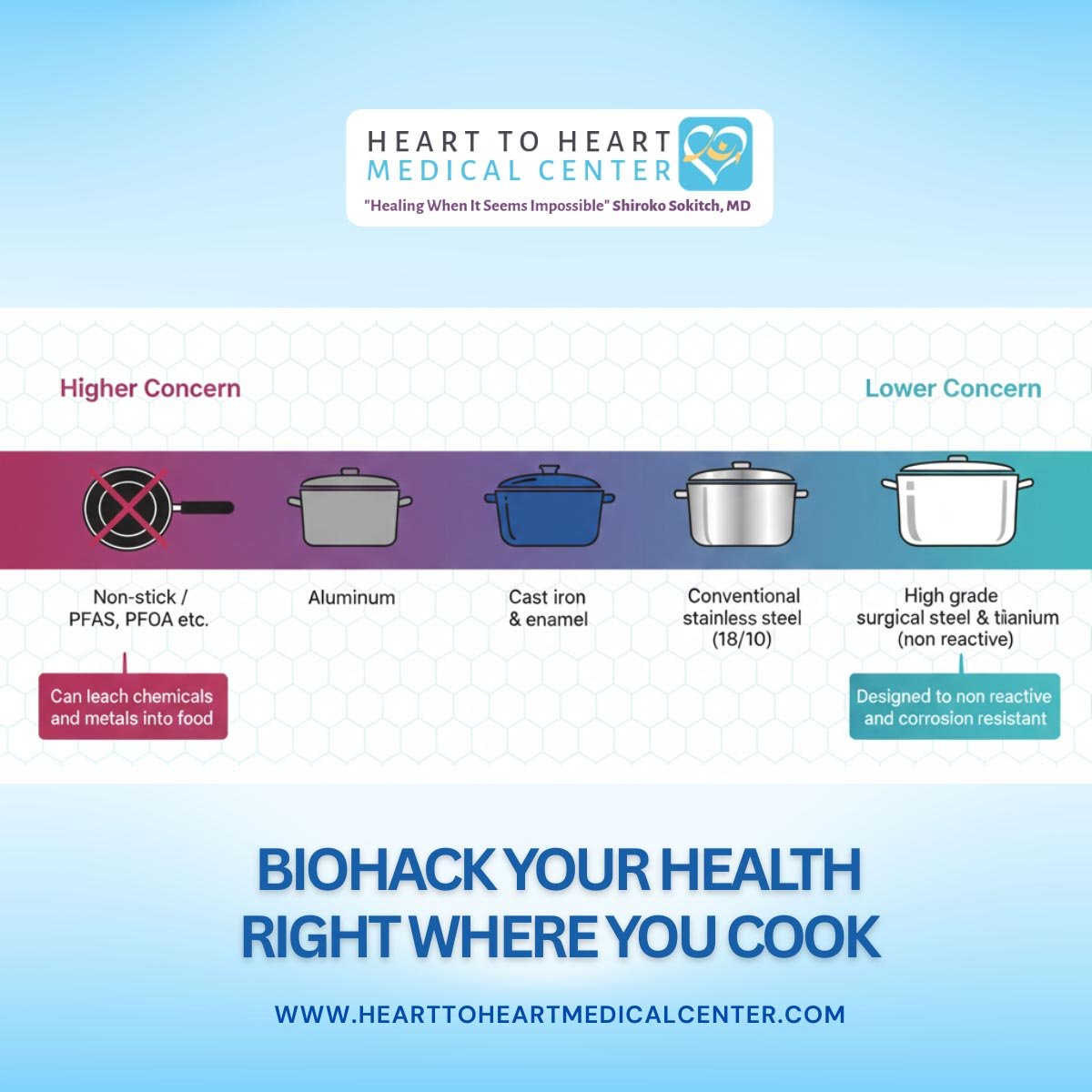
What Does It Mean To “Biohack Your Health In The Kitchen”?
Biohacking simply means consciously changing your environment and habits so your body can function better.
In the kitchen, that means asking:
- What is leaching into my food when I cook or store it?
- What chemicals am I breathing in when I clean?
- How is my cooking method changing the chemistry of my food?
Your body is incredibly wise. It is always responding to what you expose it to.
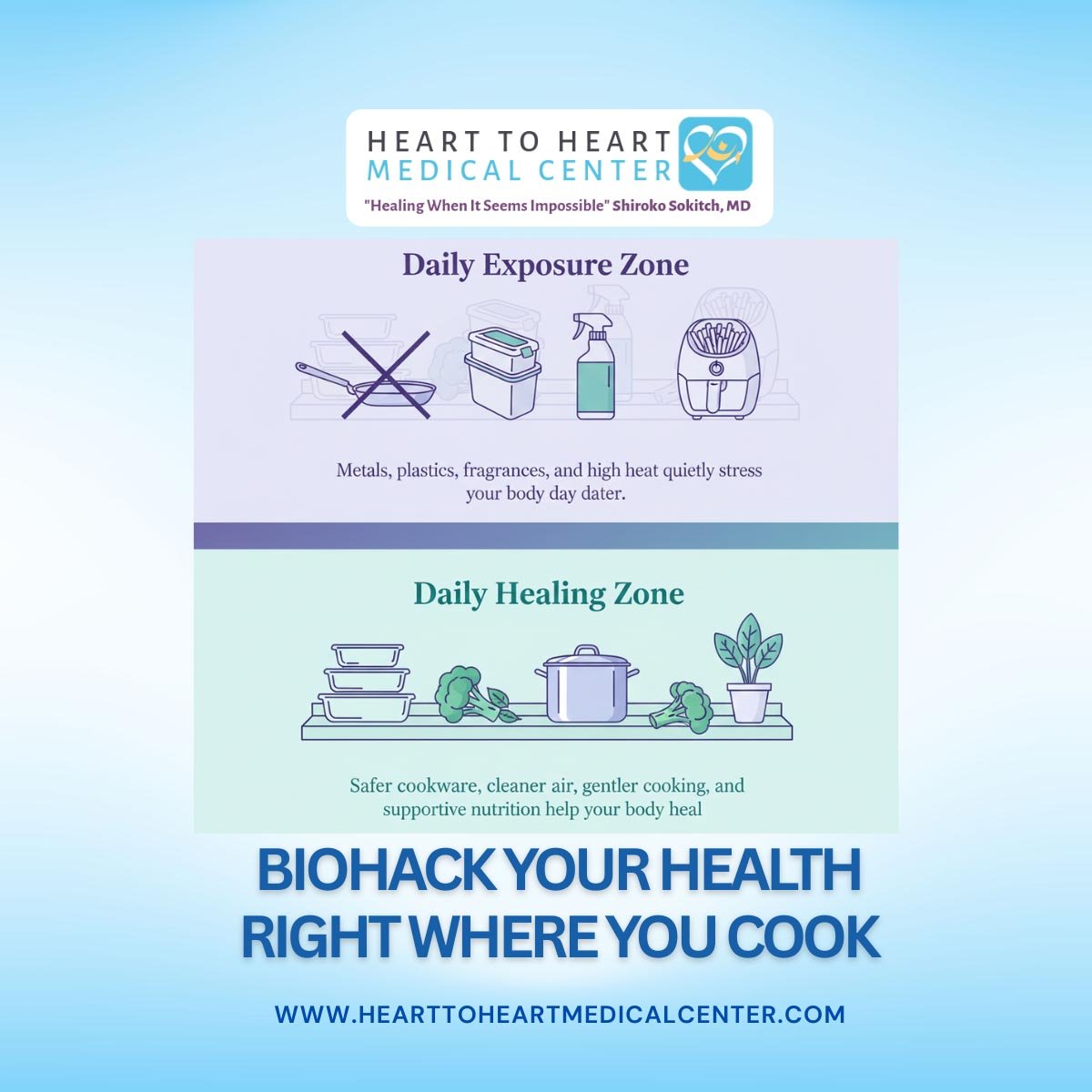
When you create a cleaner, safer kitchen environment, you remove a constant stream of stressors your body has been quietly fighting all day long.
The Surprising Truth About Cookware
One of the most shocking things Marlowe shared is this:
Cooking surfaces in the United States are not regulated for safety.
Handles are regulated so they do not break and cause burns.
The part that actually touches your food is not.
That means many common cookware options can leach metals and chemicals into your meals, especially when combined with heat, salt, and acidic ingredients like tomato, lemon, or vinegar.
Here is a quick tour of what we discussed.
1. Non-stick coatings
Most people know “Teflon” is not ideal, so cookware companies simply changed the names of their coatings.
The problem:
- Many non-stick coatings are made with so called “forever chemicals” (PFAS and related compounds).
- These chemicals do not easily break down in the environment or in the body.
- They have been linked to hormone disruption, thyroid problems, certain cancers, and elevated cholesterol.
Even at normal cooking temperatures, these coatings can release particles and fumes into your food and your air.
2. “Ceramic” non-stick pans
“Ceramic” and “non-toxic” sound reassuring.
But what Marlowe explained is that there is no clear standard for what “non-toxic” means in cookware marketing.
Most modern “ceramic” non-stick pans:
- Are actually aluminum pans with a sprayed-on coating
- Often contain mixtures of silica, glass, and other compounds
- Do not disclose their full ingredient list
 We also now know that some of these coatings can shed nanoparticles (extremely tiny particles) that are small enough to cross the blood-brain barrier. Over time, that becomes very concerning for brain and nervous system health.
3. Aluminum cookware
Aluminum is inexpensive and conducts heat well, so it is used in many pots and pans, sometimes as the base layer under other coatings.
The concern:
- Aluminum is highly reactive with acidic foods like tomatoes, citrus, and vinegar.
- Over time it can leach into food and contribute to the body’s metal burden.
- Research has linked aluminum exposure with neurotoxicity and an increased risk of Alzheimer’s disease.
4. Stainless steel
Stainless steel is often considered a safer option, and it can be, especially high quality surgical-grade steel.
But not all stainless steel is the same.
The common 18/10 steel means:
- 18% chromium
- 10% nickel
Nickel is a metal that many people react to. In sensitive individuals, frequent exposure by mouth (from cookware) can contribute to inflammation, skin issues, and other symptoms.
High quality systems made with surgical-grade stainless steel and titanium are designed to be much more corrosion resistant and far less reactive with food. This is one of the reasons I personally gravitate toward these types of options in the kitchen.
5. Cast iron and enamel
This part may surprise you.
Many health-conscious people love cast iron because they believe it adds healthy iron to the diet. You do absorb iron from the pan, but it is not the same form of iron your body easily uses.
This type of iron can behave more like a heavy metal, accumulating in tissues (including the brain and joints), and has been linked with:
- Leaky gut
- Inflammation
- A higher risk of Alzheimer’s disease
With enamel-coated cookware, the concern is what is inside the enamel. It can contain: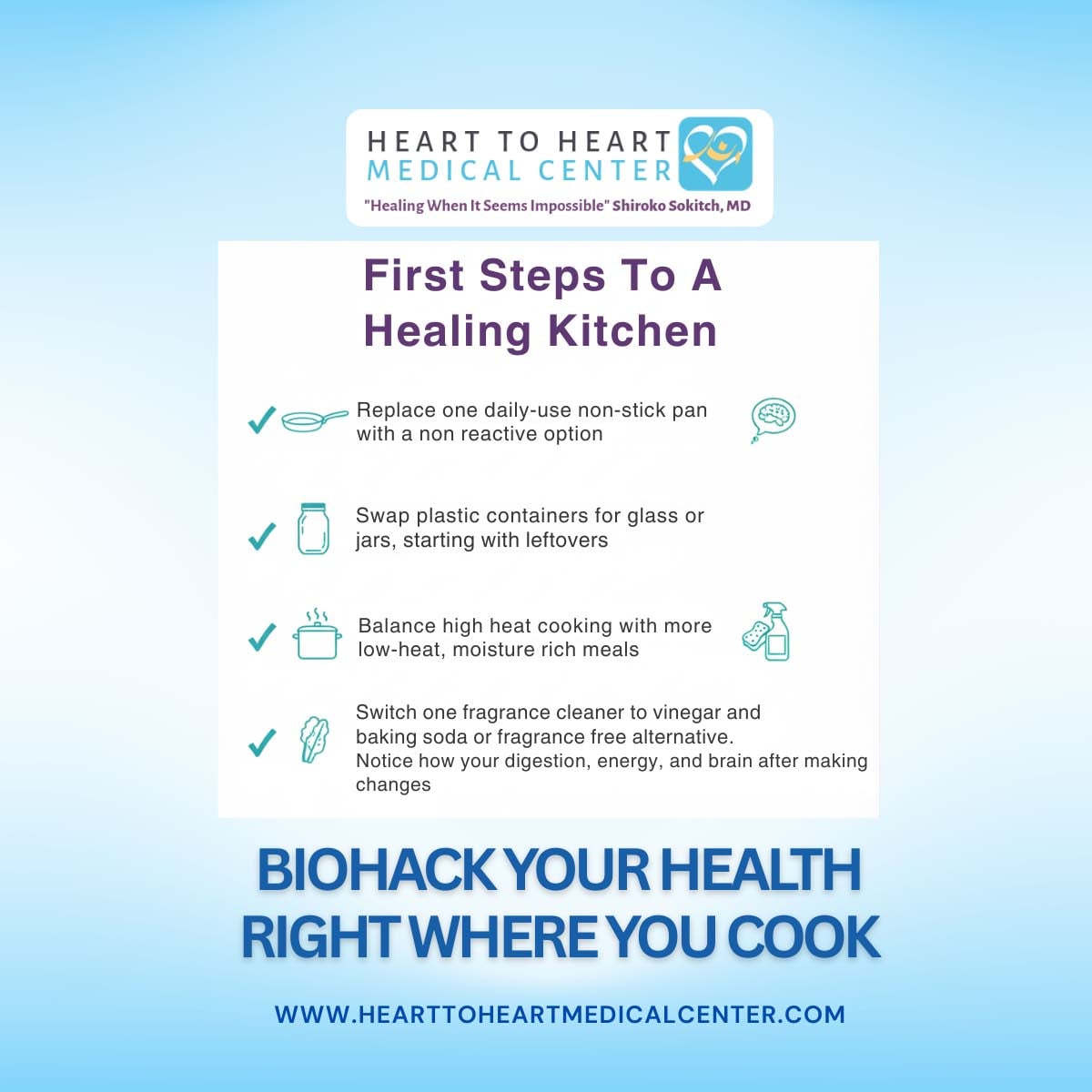
- Lead
- Cadmium
- Nickel
- Chrome
- Aluminum
Because cooking surfaces are not tightly regulated, these metals can still show up in products on the market.
Add to this another issue Marlowe pointed out:
Cast iron is very porous. Oils and food particles can lodge in those pores. If the pan is not cleaned thoroughly (and many people avoid soap to “protect the seasoning”), old fats can go rancid and harbor bacteria.
Plastics, Microplastics, And Your Hormones
Cookware is only one part of the story.
We also talked about plastics in:
- Food storage containers
- Plastic wrap and bags
- Utensils
- Some can linings
Plastics can leach:
- BPA and BPA-like chemicals
- Phthalates
- Microplastics
These often act as xenoestrogens – chemicals that mimic estrogen in the body. Over time, this can contribute to:
- Hormone imbalances
- Increased risk of certain cancers
- Fertility challenges
- Endocrine disruption in general
A simple, powerful shift:
- Use glass containers or mason jars for storage whenever possible
- Choose stainless steel or bamboo utensils
- Avoid heating food in plastic
 Cleaning Products, Fragrances, And Indoor Air
Another hidden source of environmental stress is what you breathe in while you clean and cook.
Many conventional:
- Sprays
- Degreasers
- Scented soaps
- Air fresheners
- Candles
contain chemicals that stress your liver and act as endocrine disruptors. If you can smell a strong artificial fragrance, it is entering your body.
For someone whose detox systems are already overwhelmed, this can trigger headaches, fatigue, mood changes, or simply that feeling of “I don’t feel well, but I don’t know why.”
Gentler options:
- Simple vinegar and baking soda mixtures for many cleaning tasks
- Fragrance free, non-toxic cleaning products
- Avoiding heavily scented candles and plug-in air fresheners
How Your Cooking Method Can Speed Up (Or Slow Down) Aging
Beyond what you cook in, there is the question of how you cook.
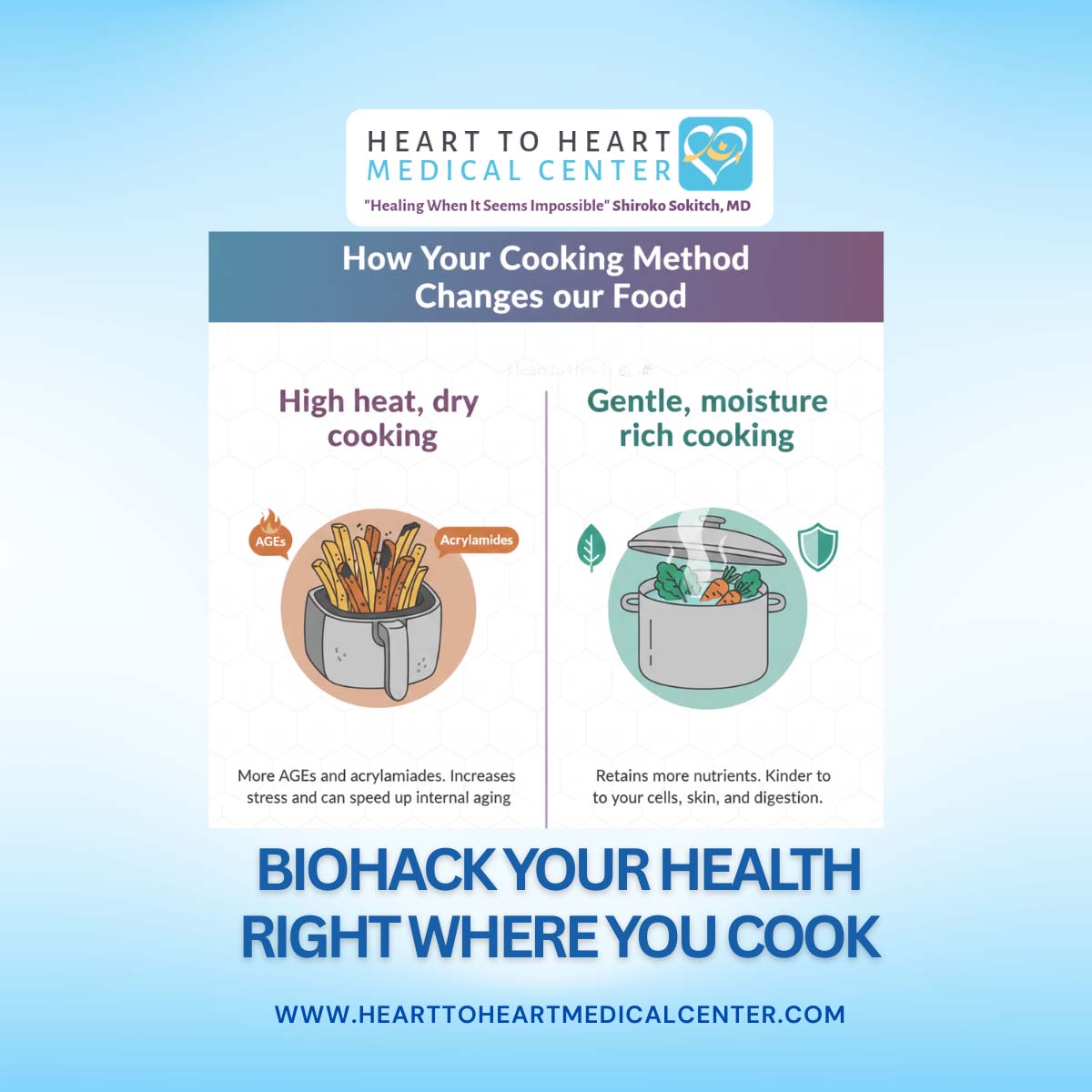
High, dry heat (such as frequent air frying, charring, or grilling) can create:
- AGEs – Advanced Glycation End Products
- Acrylamides – especially when starches like potatoes are browned at high temperatures
AGEs are free radical rich compounds that can:
- Damage blood vessels
- Irritate tissues
- Contribute to DNA damage
High levels of AGEs are associated with:
- Heart disease
- Diabetes
- Kidney disease
- Alzheimer’s
- Faster tissue and skin aging
Acrylamides are considered cancer-promoting compounds and are especially common in browned, crispy, starchy foods cooked at high temperature.
You do not have to throw away your air fryer or your grill. But it is important to balance your cooking methods:
- Use more low to medium heat
- Include more moisture (covered cooking, gentle steaming, or waterless low-moisture methods)
- Avoid constant charring and “crispy at any cost” habits
Gentler cooking supports your cells, skin, and DNA in powerful ways.
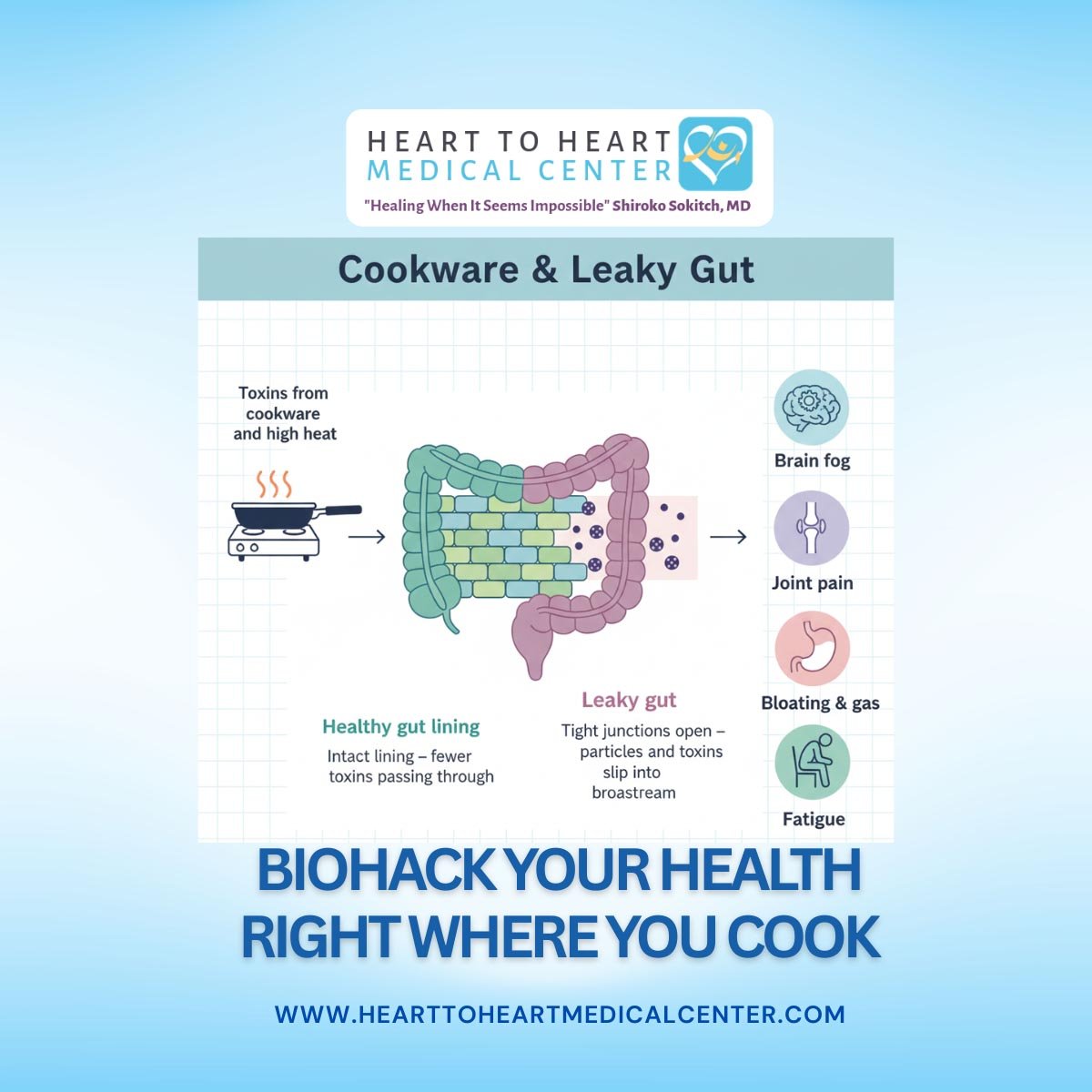
From Cookware To Leaky Gut And Autoimmunity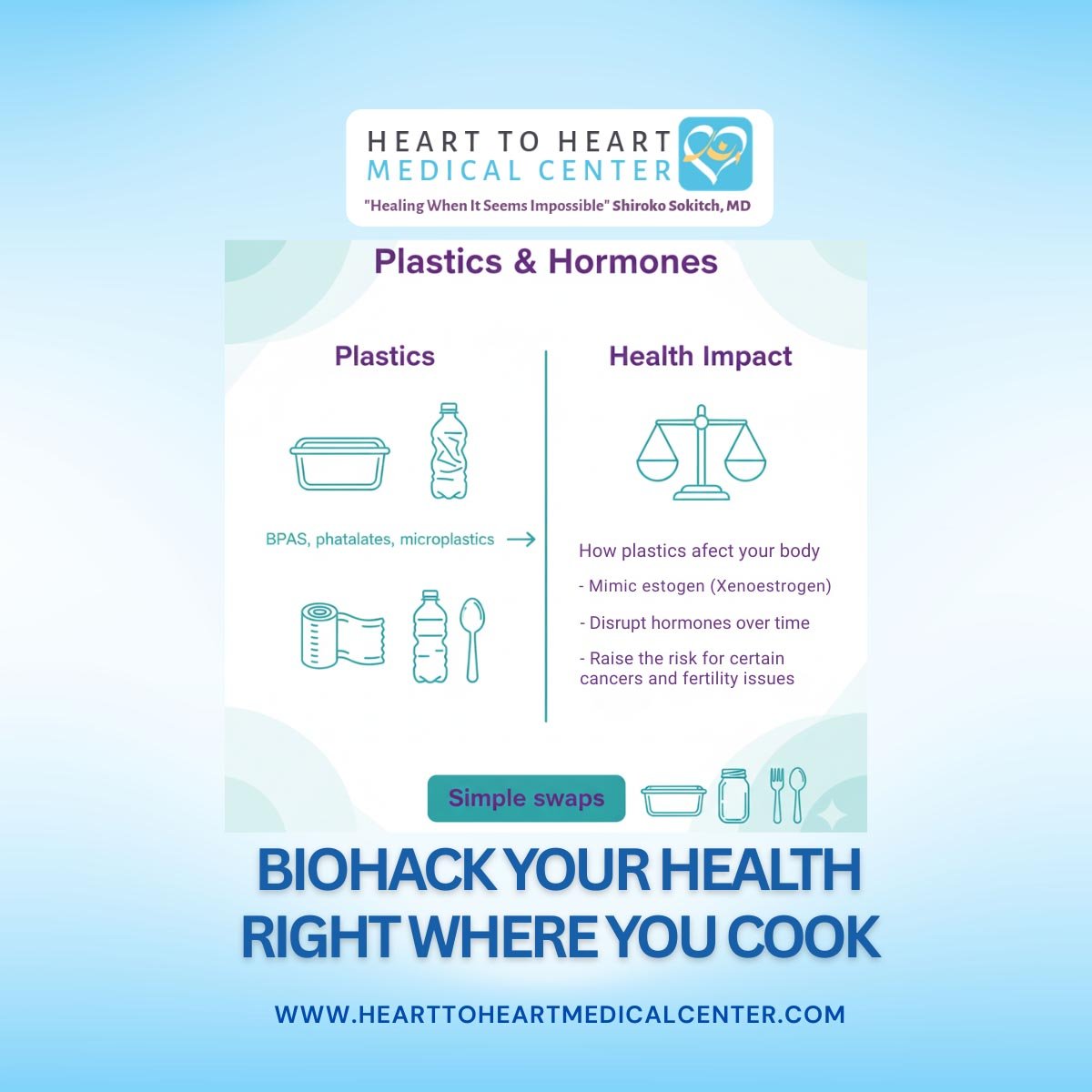
One of the most important connections we talked about is the gut.
Your digestive lining is incredibly thin – about the thickness of a sheet of paper.
When you repeatedly expose it to:
- Metals
- Plastics
- Harsh chemicals
- Inflammatory compounds from high-heat cooking those tight junctions between cells can start to open. This is what we call leaky gut.
When that happens:
- Food particles and proteins slip into the bloodstream
- The immune system sees them as invaders
- The body mounts an inflammatory or autoimmune response
This can show up as:
- Bloating and gas
- Brain fog
- Joint pain
- Headaches
- Fatigue
- Mood changes
From my integrative medicine perspective, and from the lens of Chinese medicine, the gut is central to everything.
I see this again and again in my practice. When we calm inflammation and protect the digestive system, the whole body begins to shift.
Clean food matters.
Clean cookware and a cleaner kitchen environment are part of that same healing story.
Simple First Steps To Biohack Your Kitchen
You do not need a perfect, magazine worthy, fully “non-toxic” kitchen.
You simply need to start making it a little safer, one step at a time.
Here are some gentle beginning steps inspired by my conversation with Marlowe:
1. Upgrade one daily-use pan
Look at the pan you use every single day.
Consider replacing it with a:
- High quality, non-reactive, surgical-grade stainless steel or
- Another truly non-toxic, well researched option
This one change can significantly lower your daily exposure.
2. Shift your storage
- Swap plastic containers for glass or mason jars as you are able
- Avoid heating food in plastic
- Choose stainless steel or bamboo utensils
3. Soften your cooking style
- Use lower heat when possible
- Add moisture instead of always blasting with dry, high heat
- Save charring and extra crispiness for occasional treats, not daily habits
4. Clean up your cleaners
- Replace heavily fragranced kitchen cleaners and sprays with gentler options
- Experiment with vinegar and baking soda for basic cleaning
- Reduce or remove scented candles and plug-ins from your cooking space
 5. Support your body’s detox pathways
As you improve your environment, it is also helpful to:
- Support the liver
- Protect and heal the gut lining
- Balance hormones and immune function
This is where personalized integrative care makes a big difference.
You Are Not Broken. Your Environment Matters.
If you are struggling with chronic symptoms, it is easy to feel like your body is failing you. In reality, your body is trying to protect you. It responds to what you eat, breathe, and absorb every single day.
Your kitchen can either be:
- A daily exposure zone
- A daily healing zone
You have more power than you think.
If you would like support in:
- Understanding your toxic load
- Healing your gut
- Balancing hormones and calming inflammation
- Or making sense of chronic, mysterious symptoms
I would be honored to partner with you.
💚 Next step:
Contact Heart to Heart Medical Center to schedule a consultation and begin creating a healing plan that includes both your inner and outer environment.
Your healing is already in motion.
Your kitchen is simply one of the most overlooked places to help it along.